
Tips to Create an Unforgettable B2B Event
September 16th, 2026
👋 By Alicia Disantis, Chief Brand Strategist and Owner
LinkedIn Profile
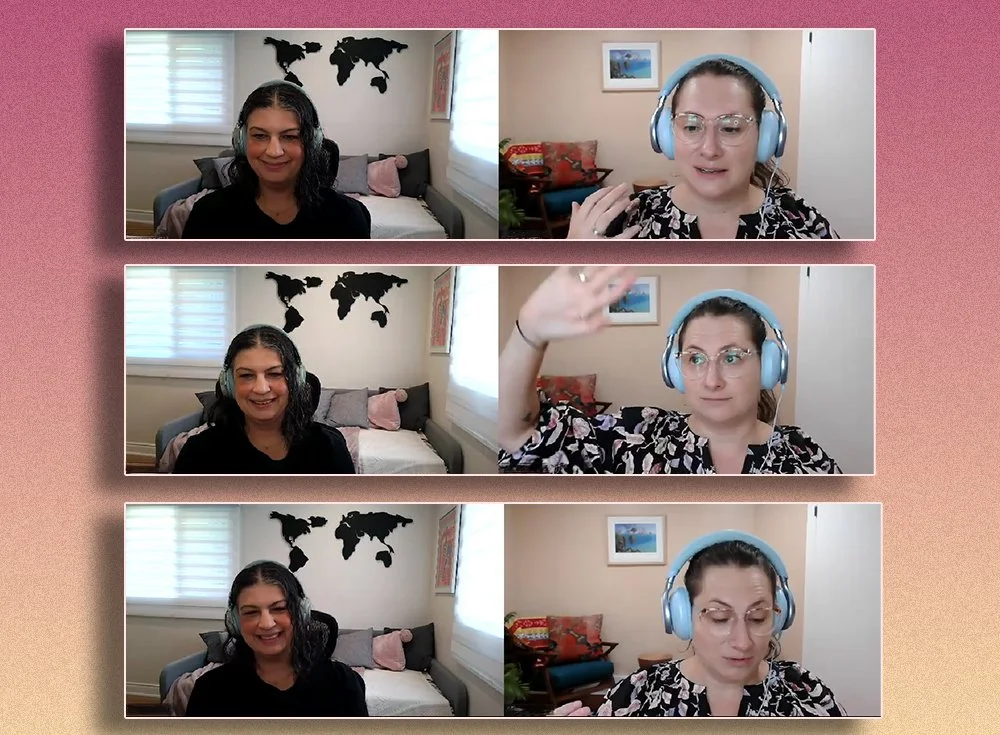
In the summer of 2026, I was delighted to be a guest on one of the most reputable event marketing podcasts, Beyond the BEO with Shanondoah Nicholson. Nearing 100 episodes, Beyond the BEO features many facets of this complex industry, from sponsorships to attendees to tech management and more.
I came on to talk about one of the least discussed areas of event marketing: branding. I’ve written about the importance of branding in events before, and this episode provided the opportunity to expand on what I’ve learned over 15 years managing B2B events, including:
Stock photography red flags: How quickly a headshot or event image can feel dated, especially when stock photos still rely on overly generic people, mismatched demographics, and imagery that does not resemble the intended audience.
How to create slide decks that captivate, not confuse: Break presentations into short chunks, using headlines and visuals on slides, and assume people are either listening or reading, but not both.
Why more is less when it comes to designing tradeshow booths: Crowded trade show environments force brands to differentiate visually, especially when booth space is limited and competitors or distractions are nearby.
How to write strong headlines for your event booth that capture the attention of an overwhelmed audience: Lead with a strong headline, keep it to six words or less when possible, and avoid loading the banner with too many services or messages.
Why you should invest in high-quality swag or none at all: Thoughtful swag can create conversation, build goodwill, and give attendees a positive brand memory
38th & Kip Studio has been developing events for B2B organizations, especially tech companies such as Gemineye Data Analytics, for nearly 15 years. In this episode, learn our very best tips for B2B events, perfect for anyone who touches events at their organization, from planning, to designing, to presenting, to managing the booth.
Full Transcript of Beyond the BEO Episode 90: Mastering Event Design and Branding
Alicia Disantis: So when you think about events, and I come from the perspective from the lens more of trade shows, is really thinking about all the different pieces that go into your event. So whether it's like a a training event, like a you know, a round table type event where you're specifically there to learn about a specific product or service, or if it's more of a selling type of event, like a trade show where you have sales folks on the floor, or if it's more of a party, or if it's more of some like launch, like a brand launch.
So all these things you have to really think about firstly is your audience and how you want them to perceive you. So that's gonna like trickle down into all of your all of your design. So is it i i and an example would be is it's fun? If you want to be a fun feel, is it more serious? Are we doing some kind of, you know, cancer five K or something? Like you really wanna make sure that you're not tone deaf. so so having really auditing your collateral and your
what photos you're using and like the overall vibe of your presence there is really important because you don't want this disconnect.
Shanondoah: Yeah, the disconnect is true. And I also think that someone posted yet I don't know if it was yesterday or the other day on LinkedIn that they they changed their headshot. It was like a they got a new headshot and they're like, It's interesting how quickly a headshot can seem out of date. You know, even if you look kind of the same, like there's just elements that look older in a headshot. And I'm sure it's very similar with event branding, right? Like I can look at something and say, that's so 20 and 15, right? Like, which feels like, we just did that. And it's like, no, actually, like those stock images look really dated. And I rem I I think I've told you about when I used to do a lot of like event invite design. I I you know I had a very limited
Access to stock photos and there was like one bearded man in every networking photo. Like he was like every networking photo is like, there's the guy. And if someone used that photo today, I'd be like, you're using the 20, the 2015 special of guy at a networking event, and like he's in a suit, but he's got a beard, so he looks approachable, right? So I'm sure most people don't realize how quickly their event collateral can feel really dated.
Alicia: Yes, yes, and that's something I'm very passionate about. I've written at length about how to do an audit, even for non non-creative folks, let's say you're an entrepreneur or a small business owner, how to do an audit of your stock photography and specific things to look for. And I can go into them if you'd like.
So I was very passionate about this. The first one that most people do not realize is the vast majority of stock photography comes from Eastern Europe and Russia? That's why you always see very thin blonde women with Eastern European Slavic look to them, you know, traditionally very beautiful, in most of our stock photography. So that's something you really need to consider is is again going back to your audience, right? Do these people represent what your audience really looks like. And the answer is 99% of the time no, unless you're at an Eastern European model convention. The other thing to really consider with your services is, let's say, so I work a lot in finance. one of my biggest pet peeves is your new h new mortgages, mortgage rates have dropped. Get your home or your dreams. And it's some mansion with like a family and a little kid. Like no one
There's a disconnect there. You're making people feel bad because they get they're not going to be buying a mansion. They'll be first-time homeowners. Their home might look like a piece of crap. And so you're deliberately you're choosing photography that is making your audience feel bad. Same with like a brand new car, right? get your car loan. these are the these are not real representations of what your audience wants. When your audience feels bad,
What do they do? They don't buy from you, right? When you when they when they feel like it's unachievable. The other thing is technology. You have got to audit that. phones, you can get away with it more now because phones haven't really changed much in size. But I still see large, large companies using stock photography.
with like clunky laptops. It's just like, what is this saying about your brand? And the last one I would say, which is huge, is style. So you'll see a lot of older photograp older stock photos where women are in pencil skirts and heels. And like really no one wears that stuff anymore. Like even even very executive level women don't really wear like suits, like pencil skirt suits anymore.
So really considering what they're wearing, their dress, their shoes is another big one, like men's dress shoes is a dead giveaway. And these things may seem really very like micromanaging, very tedious, but they really do have an impact in how your brand is perceived.
And if you're seen as old and outdated or you simply don't have the oversight to be getting new photography, it makes you seem lazy. And all of those things kind of get they worm into the the audience's brain.
Shanondoah: Yeah, it's interesting. I used to work at a home care company. Or sorry, a home care technology company. So we were selling into the home care industry. And it was a big deal that we had to be very careful with the stock images we used because it was generally very hard to find home care versus health care. And probably wouldn't think twice about it. It would like, yeah, that's a person taking care of another person. Like, what's the big deal? But it is a big deal because the roles are very different and the tasks are very different. And so it it just also makes you look out of touch. Like kinda like the the mansion for your first time home buyer. It's like, okay, well is that really your first time home? Like maybe for some, but for the majority of people, right? And and like you said, it's going to give you away. It's going to signal something. And I also think, too, like I know a lot of entrepreneurs use events to, you know, sell programs or as part of their coaching services. And I see so often their branding that doesn't align to what I'm expecting from the event or what their brand.
Does and so then now as a consumer I'm confused. I'm like, well, is this really an event for me? Is this not an event for me? Like and if you're if your attendee is confused, they're not coming. Right? Like nobody is nobody like people need to be a hell yes of like I see myself in that room. Cause if they don't, they're gonna just skip past it.
Alicia: Right, exactly. And the expectation component is more important than ever now. And it makes me think of something I've talked about at length also and and even I had a a focus on this with w one of the courses I created for Mary Baldwin University around the big, big faux pas with the tech event that didn't have enough women and so they used an AI generated woman as a speaker and then got called out on it and then everyone backed out. And this was like what 2023, I think. But it's like, first of all, who the hell do you think you are that you can just do that and no one's gonna notice? And like it's just so insulting to your attendees who are paying lot of money. It's insulting to women, it's insulting to who pretty much every human involved.
But I'm seeing it more and more. Like people like they'll use AI like, well, maybe, you know, the attendance at this event wasn't that great. Let's just make it look like there's more people using AI or like some random, random thing to alter reality. And the re the risk versus return on that is so like astronomically high in terms of risk. Like just do not do it.
Do not do it, okay? Like do not use AI to to bolster the design of your event.
Shanondoah: Yeah. And I think it's also that it's it's counterproductive, right? Like why are you using AI to promote an in-person experience? And why are you and I see people do it with like creating short videos of people and I'm like, but that person is actually gonna be speaking at the event. And so I wanna see them speaking in the video, not an AI representation of them speaking, because
What am I going to the event for? Right. Like it's, you know, you like AI has its use in events, but it is not in creating the experience that you want and and driving that kind of attendance. Like it's it's so counterproductive. Like if you want your speakers to do a video to promote the event.
then get that in the contract and schedule it and figure out how to do it properly instead of putting together an AI video that people are just again, the more you confuse your attendees, the more they're not gonna be attendees.
Alicia: Good. Yeah. So one of the other things that I see, and this is even with really big companies, is they don't use photography that can scale to the size of their banners or like their trade show booth or like any sort of you know large scale type of backdrops. And it's just so bad. Like it it it really makes you look like an amateur.
And I know a lot of non-design folks say, yeah, whatever. It looks fine. But especially now, like 20 years ago, you may have been able to get away with it. But now we are so programmed to be used to really high quality photos on our social media platforms. Like things need to look polished to some level because we we're very much surrounded by media all the time.
When before we weren't as much.
Shanodoah: Yeah. And it's it's funny you mentioned the like sizing and scaling because I remember I did these postcards once for an event. This is a few years ago, and it was so last minute and no one would approve that it was like a whole thing. And so finally I ended up printing them like very last minute. The only place I could print them that quickly was staples, but staples is not designed to do cuts on the bleeds, and so
It had this border around it, but then it was also very small. And then we got on site and everyone's like, Well, these don't look great. I'm like, Well, yeah, but you wanted postcards. And here are the postcards, right? Like, there's so many things that we just rush through and then are shocked when we get on site and it's not the way we expected, or the font is too small, or anything like that. It's like, well, because you rushed it.
And then we had to rush print it and the only options on a Sunday was staples. And so this is what you get. Like you can't you can't have it both ways, right?
Alicia: Yeah, and I think it really does come down to the general concept that design is easy. That there and there's been studies, so many studies on this, that design, marketing, the arts are considered easier than other areas of business. And when in fact it it it's the well, of course I'm I'm biased, but it takes so much
So much multidisciplinary understanding and all these different very nuanced components to make it work that people just think they can throw some things together and it's gonna gonna, you know, come out looking great. And then when it doesn't, they have shocked Pokemon face, the shocked Pikachu face. Cause then they're like, my God, maybe this is hard. Maybe I can't just pull up Canva and spend 10 minutes on something and then suddenly I'm gonna, you know, grow my revenue by 300% just from this one event.
Because I made a postcard. Like I know that sounds very, very cynical, but you really need to consider investing in people like you and me to help with these things. I mean, you wouldn't do your electrical for your event, right? You wouldn't go and manage all of that. Why would you go and try to manage all of the design and then wonder why you're not looking as polished?
and getting as much attention as competitors in the space, especially if it is a c a competitor event. If you got, you know, right a b lot, you know, aisles and aisles of of booths all competing. That's a whole nother thing.
Shanondoah: Yeah, that's that is a big consideration of how do you differentiate yourself graphically in in a crowded space, right? Like it is one thing when it's your own event. And I've I've worked on both sides, right? The trade show side and the owned event side. And at an owned event, like you you can brand whatever you want. You can have your branding everywhere. You can really take over a space. But at a trade show, you're really limited to whatever square footage you've purchased and
And you also don't always have the best you don't always have the choice of where that is, what it's next to. And could sometimes there's competitors, but sometimes it's like, you're just also beside the giant, like, I don't know, chicken sign for the restaurant that's on site, right? Like there's all these things that you have to not speaking from experience or anything, but right like there's
Alicia: It reminds me of that Seinfeld episode where the chicken where the neon chicken sign opens in Kramer's apartment and he can't sleep.
Shanondoah: Yes, yes. I have been that but in a booth. But like so how do you design your trade show booth? And if someone is like, Okay, we know and I know, you know, you know from working in SaaS, like so many startups like, Okay, we have to get to events and then they don't really know kind of what their what their brand presence should be like. How do they stand out? You know, the worst thing I ever see is when someone brings a pop up banner with like
Twenty seven messages, three QR codes. And I'm like, nobody is reading this, right? So how do you how do you advise clients when they're like, okay, we're designing a booth or we're designing assets, and even if it's a small booth, sometimes it's just a tabletop and maybe a ten by ten, up to the twenty by thirties and you know, island booth. Like what are you what are you advising them when you're building that out?
Alicia: Yeah, it's really tricky. Some booths are only six feet. yeah. I was at at an event in San Diego where the booth was six feet, and there were four people. Four people had come to the event, and we were like, we and one one of the people was six, seven, six foot seven. And it was like, okay, we cannot offend this booth. So the first thing I would say, and you touched on this specifically, is you need to be so intentional about what.
Is on your banner. First of all, no one is reading the bottom. If it's like below your waist, no one is reading that. Like it's dead space. Just put a put a some nice gradient there or something that just looks pretty. The second thing is you need to really, really understand how can you how you can talk about your message in like six words or less. So you have a nice strong headline.
And that headline might not always be everything you do. It might actually not have to do with anything you do. It might be a pain point or a benefit, right?
That takes a lot of work and that's a lot of brand strategy involved in that, in in boiling down what you want to say you do in in a few words. I get it. That's very challenging.
But if you can do it, you you really stand out because then you have a nice big message. if you look at any of Apple, Apple for Small Business, their website, a lot of their marketing is very, very good for that. It's like four words and a really nice graphic. Yeah. The other thing is bullet points. So I'm going down, right? I'm starting at the top and going down. Yeah. You don't want to have 20 services. You don't want to have five services.
I would leave it at three if you're gonna have any services. Cause so many folks are scared that this is like their one and only opportunity that that person's gonna see that banner. And if they don't fall in love with it, my god, then the sales lost. Like there's so many other components of it. You want them to be questioning in a way, right? You want them to be reflecting on some kind of some kind of introspection.
Around a pain point or motivation, or yeah, I really do struggle with that. Or yeah, this company really isn't doing that for me right now. Or yeah, this is something I've been putting off that, you know. yeah, you know, that the the cost of my accountant, like, yeah, that has kind of been upsetting me lately, how much it's been going up in price. Like, and then you you can work those into a message, but I would really, really narrow it down. I promise you.
I promise you, you are not losing sales. There's there's scientific research on how many things the human eye can process at once. There's science about this. And if you put too much on your collateral at an event, they're gonna completely, they're just gonna get overwhelmed and completely check out.
Shanondoah: Yeah, I think also what I would tell them is no one's buying because of your banner. And I've had this one time I was working on a it was a small trade show and I wasn't on site, but we had sent swag and a bunch of stuff ahead of time and something happened at the venue that half of the sponsor's stuff got locked in a room that no one had a key for.
Right. But people are like, effects are so easy. Right? But like, like, the problems I didn't even know I needed to worry about. But anyway, so the swag ended up locked in there. It took them hours to get it out, and the sales reps are freaking out at me. And I said to them, I'm like, respectfully, like, yes, I want to have swag at the booth. Yes, we spend a lot of time selecting the swag. Yes, swag is important. Da-da-da-da-da. But also you're selling
thousands of dollars worth of software in a single transaction, do you think that's going to be because of the piece of swag that you got? Right? Like it's that's just the enticing them to the booth. And I would say the banner is the same thing. Like no one is looking at a banner, especially in B2B marketing and thinking, I've read this banner and this banner was so great that I'm ready to sign a $50,000 contract on software without talking to a person, without understanding
Like the banner is the attraction. The banner is your moment to stop the person and say, Hey, they want to r you want them to see themselves in the like you said, the pain point or or the benefit of like, yeah, I I have been meaning to talk to someone new about accounting and like that it it's what you you're trying to get them to slow down and if there's too much happening on the banner, they're not slowing down. They're just walking right past you, right?
You want them to slow down and say, that is me and like take that moment that you're able to come in with the introduction of, hey, like, would love to talk to you about what we're doing, right? So it's so funny that, you know, especially in B2B of like cramming everything on these postcards and cramming everything. No. People carry around
Do you think wanna kill dozens of postcards all day and booklets and like right, like that they're all gonna throw out before they get to the parking lot. Like
These are not the things that move the needle. It's the messaging that gets them quickly that brings them into the conversation that will likely continue to multiple conversations, especially in B2B, you're not selling anything in the booth. Like that is just the beginning of the conversation.
Alicia: Yes, absolutely. another another thing I would suggest for getting people just at the booth or lingering or talking with you is having really nice swag. Like swag and and we've talked about this. Swag that is different. That is quality. It doesn't have to be, you know, fifty dollars a piece, but and I give props to my my partner at Gemini Data Analytics, she pushed for socks.
She's like, people love socks. We should get custom branded socks. I'm like, no, no one wants. I was like, no, no, no. She's like, Alicia, I really think we should do this. And damn it, she was right. We bought, we got custom branded socks with our our designs on them. Like we have used this Gemini the right triangle design, and they're all these different colors. So they overlap. And those socks sold out. I mean, we had people, I think they were $10 a pair. People just lining up to get them.
Like, can I bring these back to the the data analyst that he would love this? And like other people just have the the koozies, you the foam koozies or some like keychain. And it's like this may be a hot take, but if you're not gonna invest in quality or unique swag, then don't have any swag. Just have candy. Yeah. Or or bags of popcorn or something. Just don't even do it. Yeah. Because it doesn't even It doesn't do anything.
Shanondoah: off getting like like cookies with your logo on them that people are like, like I'm gonna grab the snack or like popcorn bags with your logo on them. Like I know Garrett's do that. I've done that for events. Like I'd rather do that.
Alicia: Yeah. Yeah, that that reminds me.
That reminds me. So my partner's launching his own business and we did an event together last month and it was last minute. We just found out there was a slot. And he baked homemade mulberry pound cake. And that was the swag. Right. With his with his I helped him make the label. And people were just like, my God, you have like homemade baked goods as swag.
And it's like even something like that, like food, like even like homemade food can be way more valuable than a a USB. Like what are those dongles?
Shanondoah: I also and it's funny 'cause socks are very controversial. Like some people hate them and I'm like, I don't know. They they seem to go pretty quickly at my shows. And I also say, and this might be like people will think this is a waste of money, but stuff for kids. Like if you get like a funny little squishy toy that aligns to your brand, or like the fidget spinner or the stuffy because people are like leaving home to go to this event.
And they're so excited to be able to bring their kid back some something that okay, they're not going to keep using it, but that's okay because the kid's gonna use it, they're gonna have that brand connection of like, my kid loved that little teddy bear or whatever it is, that it it just sticks in their brain and you've given them like a moment. I know I did an event a while ago where we had people could bring home succulents.
And it was a gal like a gala event. Yeah, like it was an evening event. And it was actually like a donate we were donating one and you got to take one home. But what was interesting is that people were on FaceTime at like eight PM. There were multiple people in the booth on the FaceTime with their kids to be like
Do you like this one? Is this one more like do you like the purple of this one? Or do you like the black sand? Cause they're calling for like, the kids are going to bed while I'm at the gala and gonna call FaceTime and say goodnight. And the kids are like they're they're spending time in the booth. It's the brand, like again, they're not gonna buy something because of the succulent, but you're connected cre creating this positive experience around your brand.
Alicia: Yes, absolutely. Absolutely. And I have not I've not done anything with swag for children, but I do see there is one vendor that I run come across often and they they're like a Hawaiian theme. So they have these stuffed turtles. Yeah. and there was another vendor that had the Minecraft swords, but then there were like people walking around with the Minecraft, like the big Minecraft swords. And I'm just like, yeah, I don't know, it kind of created a fun element to
Yeah, a show that's traditionally a lot of executives and stuff like that.
Shanondoah: Right. And I and I talked about this in a recent episode, more about experience, but people want to have fun. Like people wanna do silly things. Like like I did airbrush trucker hats at an event once and people like stood in line for them. Like you give something fun, something unique, like and they're they're they're standing in line for 15 minutes waiting, and so you're chatting with them in line, right? It's you know, people get so
focused on, we have to like we have to have these sales, we have to have all these the metrics. And it's like, yes, like you want to be measuring the ROI, but brand is important. And also you're you're building those connections that are gonna like, you know, you should be tracking who's in your booth, waiting for their hat. But like how does that kind of follow up happen and how does that all work, right?
Alicia: Right, absolutely. And you know, ROI is a subject for another conversation. But one of the things that I've been doing to help with ROI with shows is to conduct primary source research while at the show. So then you can take that information and turn it into some kind of asset that you can share with the industry. So I'm currently working on something right now where I had a three question survey and I just went around to people at the show and gave them a $10 Starbucks gift card.
And ask them if they take the survey. And now I have what would normally be very difficult. I have a collection of primary source information of qualitative and quantitative research that I'm going to use to write a white paper. And so that's something that traditionally would have costed thousands of dollars to conduct that and do that outside of the event. So if you have an extra person or if you have time on your hands, that's a really great way to both, you know, get more bang for your buck.
Talk to people who normally wouldn't even talk to you. And three, you know, build some rapport and get them thinking, this person's a thought leader. They kind of they kind of know what they're doing. You know, they're they're conducting research and asking me. It makes them feel good because their opinion, right? Everyone wants to feel like their opinion's important. And it's something that I will like I will continue to do because I think it's been really great. Have you talked to anyone else on your show that does research at events?
Primary source research.
Shanondoah: I have seen the Starbucks gift card for filling out the survey before leaving, which the events world and this was going back like ten years or maybe even more. and I think it's only gotten harder to get people to fill out surveys 'cause everyone is every day you're getting asked for like a review that like you can't go to a restaurant without them being like, leave us a five star review, leave us and I get why they're doing it. Like I I don't I I'm not like angry that they're ha they're doing it, like I get it, but it's like you're just like inundated with like, can you give this feedback? Can you give this? And it's like, well, what's in it for me? Right. And like the the gift card's definitely going to to help. Like I've not seen a lot of people kind of focused on the research aspect of it. They're just usually so focused on the sales aspect of the trade show.
Alicia: Yeah. It it's something that I'm gonna explore more, but it's been very valuable. You know, it's a lot different than saying, Hey, do you like our booth or hey, what have you heard of us? Like this is very neutral. What do you think of AI in your space right now? Like things like that. so that's been really beneficial and something that, you know, if you hear more about that, I'd be very interested to see if other folks are doing that with success.
Shanondoah: Yeah, for sure. So I know we've talked like a lot about the the trade show elements, the like the printed materials. Is there anything else like as we're kind of coming up to time that you're you really want people to think about when they're designing anything, any graphics, any artwork, any concepts for their events? Like what are what are you if nothing else, what do you hope people take away from today's conversation?
Alicia: Well, yeah, we did cover a lot and I'm I'm thankful for that. the last thing I would say, and again, this could be a topic for a whole nother show, is on if you're doing a training or some kind of presentation. So there's some things I see that folks, small companies and big companies, seem to struggle with. One is if they're doing a PowerPoint or something, you gotta make sure that that PowerPoint, like either you you convert it to their specifications or something because the text can change. If you have a a text that's a non-standard Microsoft or Apple text, the text will change when you plug it in if you're using their system or not using your computer. Or let's say you're borrowing your coworker's computer or something. And then your your whole presentation looks crazy bad. Like it just gets all messed up. Yeah. So you got to make sure you don't go crazy with fonts. You just stick to basic fonts.
The other big thing I see with presentations is people take forever to get into the meat of it. Like just get into it. Get into it. Like one minute for housekeeping and get into it. I've seen people take almost half the presentation, just doing introductions and getting into things. Yeah. and then the last thing, and I heard this years ago at at a a webinar, was when you're online with when you're learning something online, your attention span is only like
Five minutes before you need a break. Like it's super short. So you need to only present a couple slides and then take a break to ask questions or give a funny anecdote or story. But you literally need if you got a 45 minute presentation, you got to block that off into like eight chunks. Or people are going to lose interest, they're going to start looking at their phone. Like it's tough, but that's just how we are psychologically now.
Shanondoah: Yeah. Well, and especially when it's virtual because there's so many more distractions and you're not, you know, when I'm sitting in person.
People might be a little bit more like, I shouldn't be like scrolling on my phone because it's disturbing the person next to me or it looks bad, right? Whereas at home, you've got the privacy. I think it's also I've learned that people are either listening to you or reading and they're not they're not doing both, no matter what you think they're doing. Like they're they're only doing one. So if you want them to listen to you, don't put too many words on the slides, like 20 words or or less, and get those fonts massive.
Like the biggest complaint I hear from events is that people complain that they can't see slides. Now should they be wearing their glasses? Should they sit closer if they have a Yes. But realistically, if it's that important to be on the slide, it's funny because you mentioned like large companies. Some large companies have some of the ugliest slides I've ever seen. Yeah. Because they update they created them in nineteen eighty two and that has been the brand template for for forty years, right? Like it's it's brutal.
Alicia: Wow. And and if you're gonna be presenting, then have a slide deck where it's just headlines and visuals. So people aren't reading while you're talking or they can't read or they gotta get up closer. And then if you're gonna share it afterwards and you you know you want to have more information on there, then have another slide deck with your notes. You don't need to put everything on there. It goes back to what we talked about with the banners and stuff. Like people cannot read and listen to you at the same time.
Shanondoah: Yeah. They're not gonna do it. They're not gonna do it. So this has been so informative. Thank you so so much. where can people find out more about the work you're doing and connect with you if they wanna learn more?
Alicia: Yeah, again. So my name is Alicia Disantis and I'm owner of 38th and Kip Studio. So that's 38 and Kip K I P. I'm all over LinkedIn. you can find me at 38andkip.com. also on Instagram at 38andKip. Again, 38 and KIP.
Shanondoah: Amazing. Well, thanks so much for being here.
![[Video] The Importance of Personal Branding and Style](https://images.squarespace-cdn.com/content/v1/520554d2e4b004c7f36bec69/1763501803563-Z9ETS8FKI0MHAGDHVIQS/personal+branding.jpg)
![[Video] Kindness as a Brand with Rafi Yablonsky](https://images.squarespace-cdn.com/content/v1/520554d2e4b004c7f36bec69/1722997677979-3HT93CR4AMNWKEL2OJYI/BRANDING+S2+E8.jpg)
![[Video] Internal Branding and Company Culture with Aaron Metzger](https://images.squarespace-cdn.com/content/v1/520554d2e4b004c7f36bec69/1703696330734-N87904HVBEU3NR46IRZJ/s2e6+thumb.jpg)